Full Circle
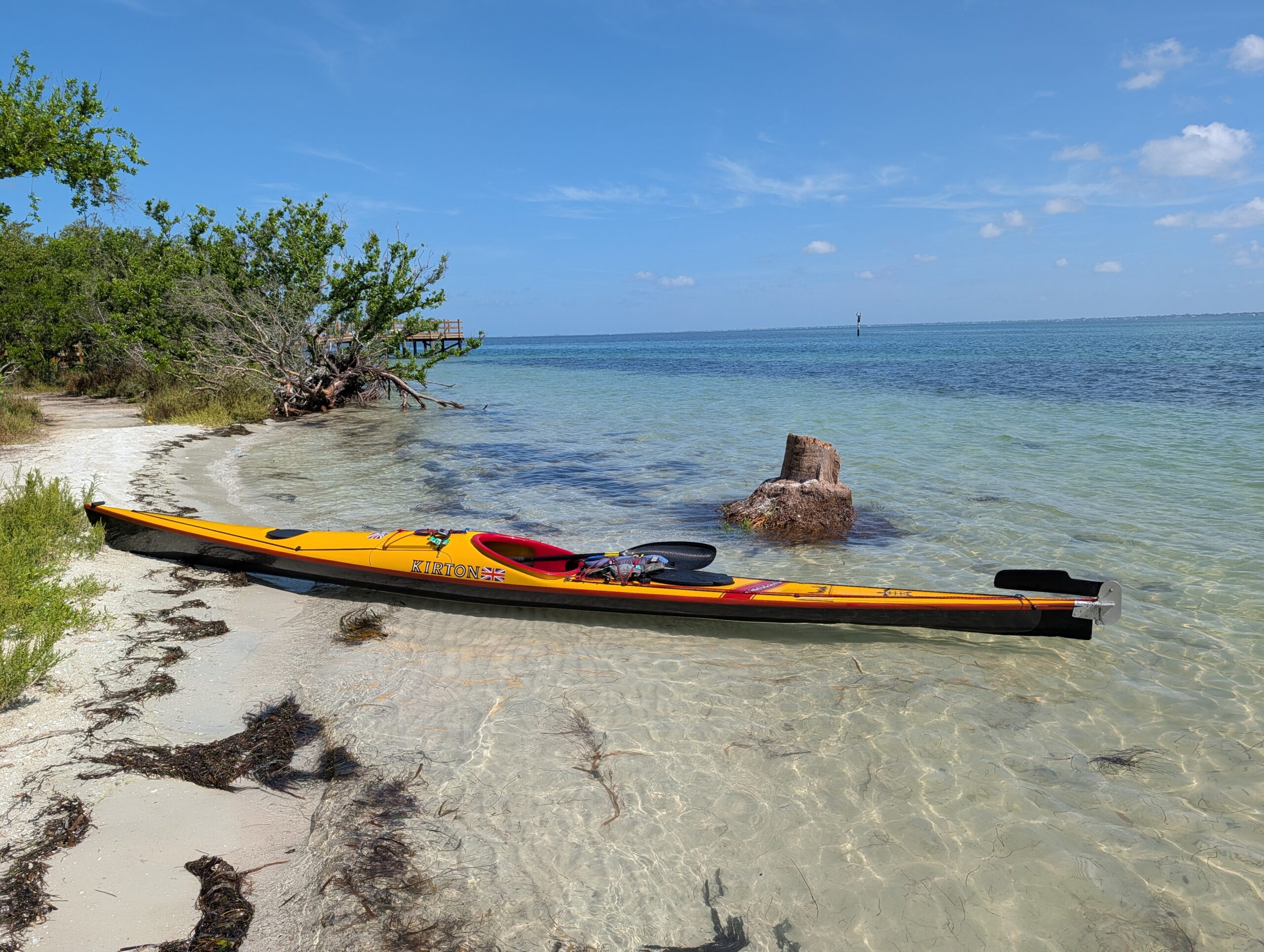
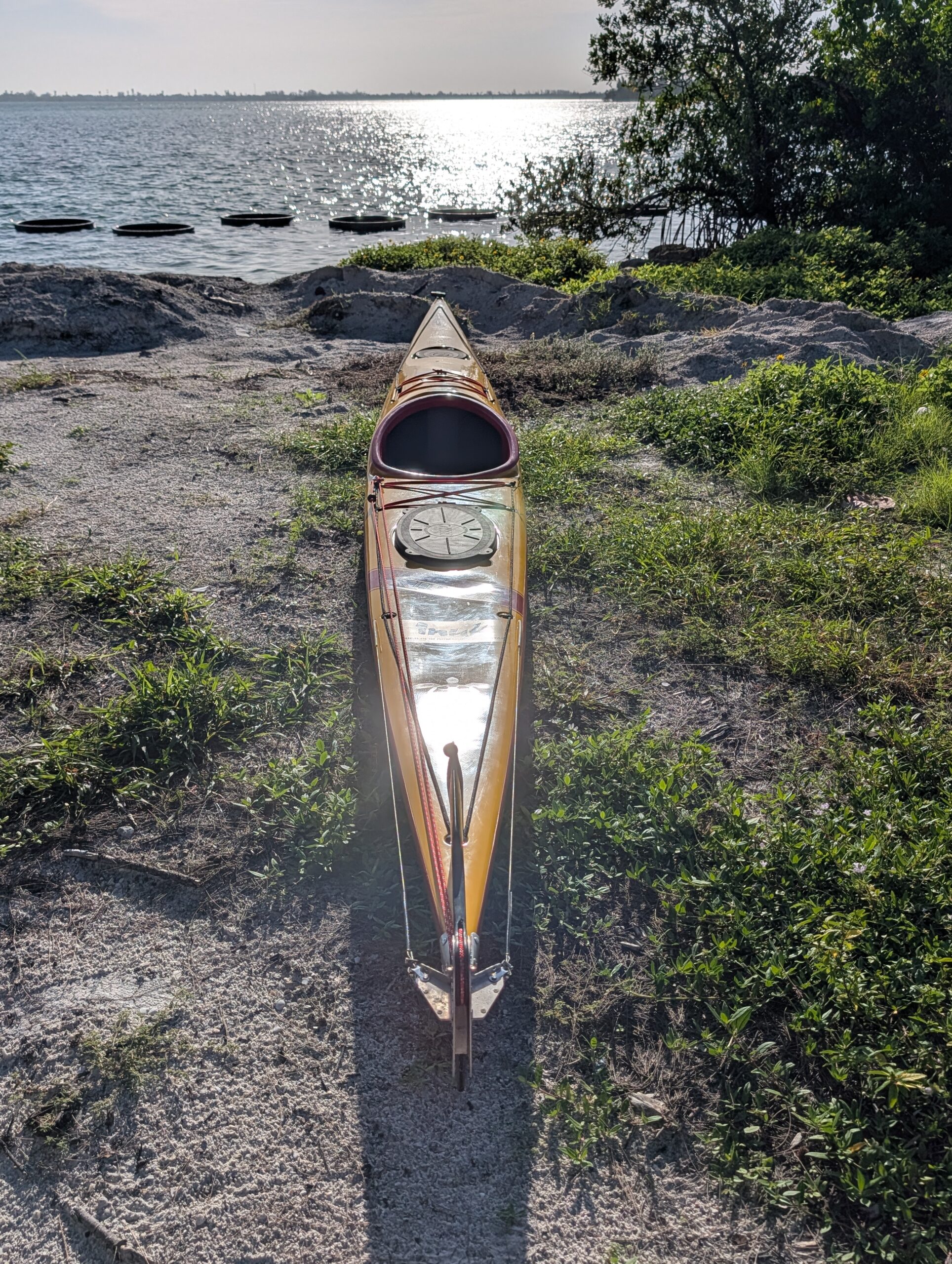
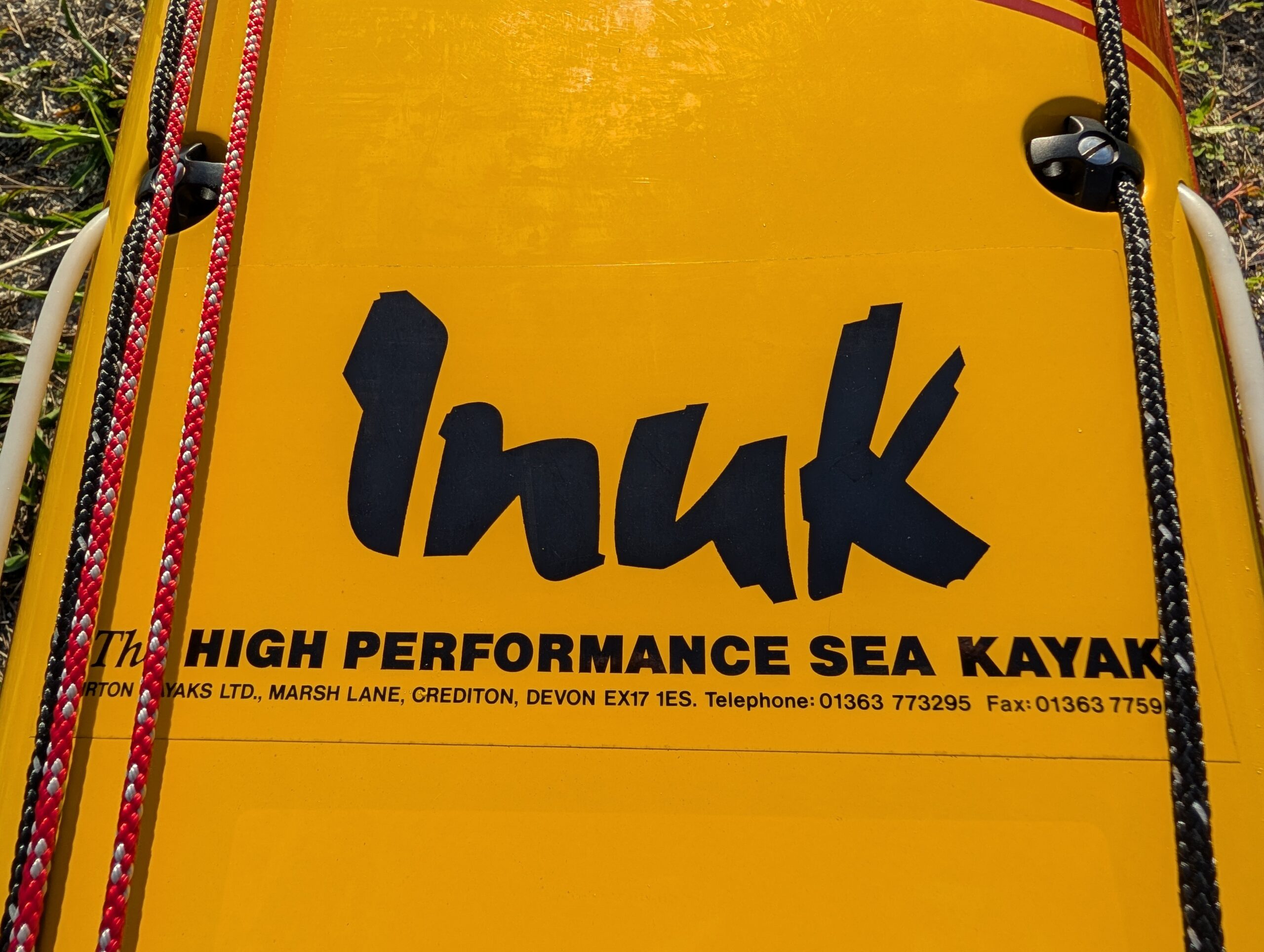
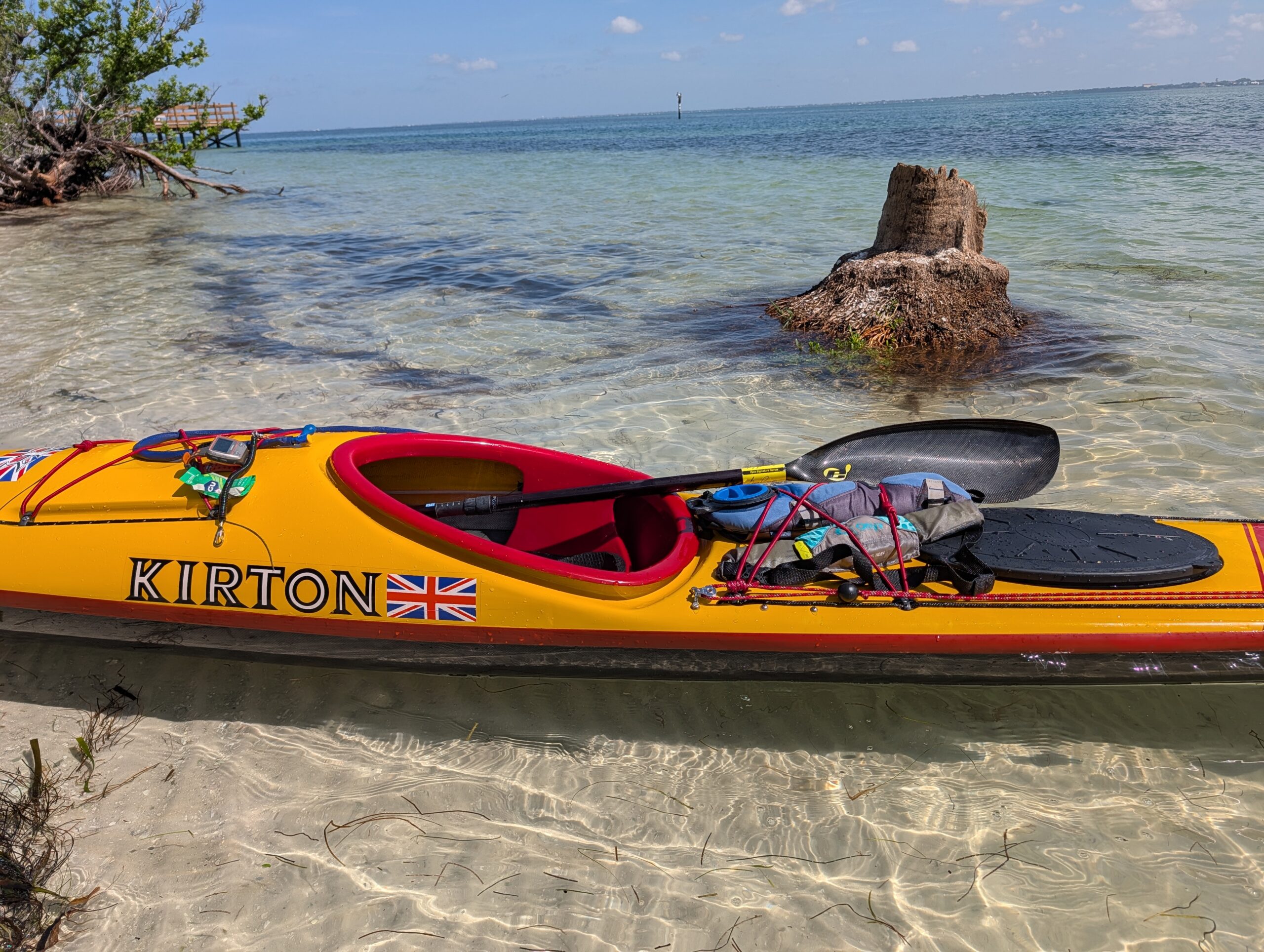
I've been looking to buy a Kirton Inuk ever since I moved to the US in 2006. I found this beauty for sale in Ohio. It was owned by the late Don Maistros; clearly a man of impeccable taste because he owned several kayaks from Kirton Kayaks, a kayak builder in Crediton, Devon, UK. Kirton was my first ever sponsor and supported my kayak racing career in so many ways.
The Inuk was designed and originally built by Robin Feloy. Rob has designed many remarkable custom kayaks including Newt, the kayak Peter Bray used to successfully cross the Atlantic in 2001, Lot 41, a tandem kayak James Castrission and Justin Jones used to cross the Tasman Sea in 2008 and Valentine, the kayak Cyril Derremaux used to kayak from California to Hawaii in 2022 and across the Atlantic in 2024/25.
I met Rob at Exeter Canoe Club in 1996 and he persuaded me to try his new 'High Performance Sea Kayak'. As a hardcore kayak racer I was pretty skeptical of the idea of a sea kayak having a level of performance that I'd enjoy but very quickly I learned that the Inuk was something very special. It was remarkably fast on flat water, and was able to deal with the roughest conditions with ease. With a special compartment under the foredeck between your knees and a tiny 'ocean-style' cockpit you feel completely secure and able to brace and perform an eskimo roll, even with a wing paddle.
Rob gave me a great deal on his kayak, the first ever production Inuk and I used it for several record-breaking expeditions and won many sea kayak races.
I subsequently used another of Rob's designs - the C-Trek, built and sponsored by Kirton Kayaks, to complete the first solo circumnavigation of the UK and Ireland. I would love to have used the Inuk (now called the Inuk Classic) for that six-month, 4,500 mile journey but it just doesn't have the volume necessary for multi-week expeditions. That said, I believe this Inuk should be the perfect kayak for the Everglades Challenge!
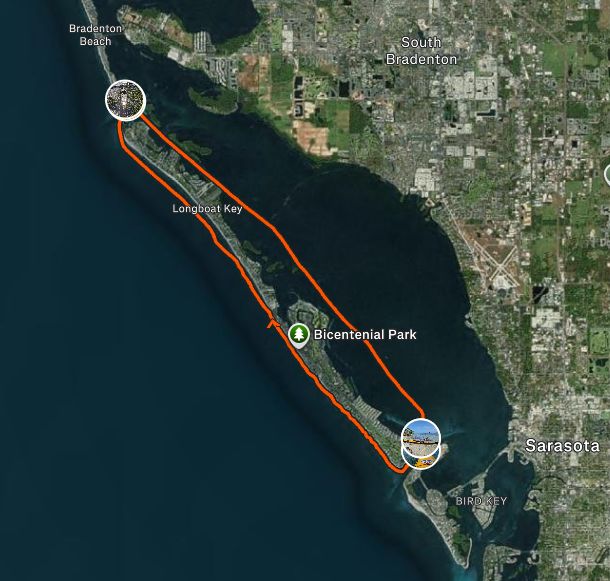
I took her out for the first proper paddle yesterday, a 22 mile circumnavigation of Longboat Key. She performed beautifully and I'm looking forward to many more adventures as I train my body and mind for what I hope will be a pretty much non-stop 300+ mile paddle next March.
It is worth noting that Kirton Kayaks still produce the Inuk Classic, but also offer a more modern Feloy design, the Inuk Ultra 18, that I have yet to try but it looks like an absolute beast! Check it out at: https://kirtonkayaks.co.uk/products/inuk-ultra-18/
The US importer for Kirton Kayaks is GWR Paddlesports.